
Artist:
Ennio Morricone
La Notte E Il Momento
14,90 €
Disponibile in 5-10 giorni
Numero Catalogo
BCM9628
La Notte E Il Momento
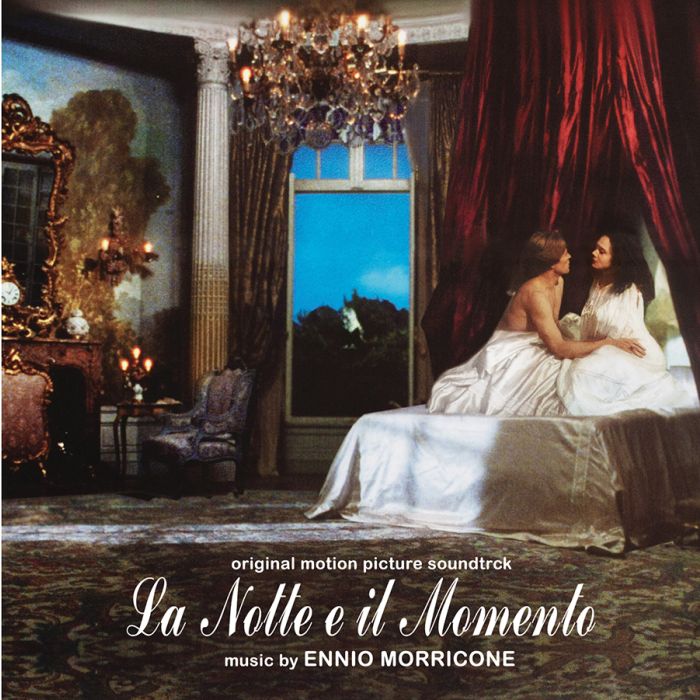
Beat Records è lieta di riproporre su CD la brillante OST di Ennio Morricone per il film romantico "La notte e il momento" diretto nel 1995 da Anna Maria Tatò, sceneggiatura di Anna Maria Tatò e Jean-Claude Carrière, fotografia di Giuseppe Rotunno, montaggio di Ruggero Mastroianni, musiche di Ennio Morricone, cast: Willem Dafoe, Lena Olin, Jean-Claude Carrière, Miranda Richardson, Carole Richert, Christine Sireyzol, Guy Verame, Clifford De Spenser, Pascale Dinizani, Ivan Bacciocchi, produzione Arthur Pictures, Société Française De Production (Sfp) Cecchi Gori Group - Tiger Cinematografica, distribuzione Cecchi Gori Group.
La trama:
Nella Francia del Settecento, uno scrittore galante è ospitato da una ricca e seducente marchesa nel suo castello. Ogni notte il giovane uomo s'introduce nella stanza della sua ospite e ingaggia con lei un duello tra il verbale e l'amoroso, fatto di proposte, ma soprattutto di ricordi come quando passato venne imprigionato a causa della sua condotta moralmente riprovevole. In carcere aveva avuto una strana compagnia nella cella vicina, che con biglietti, l'invio di cibi e addirittura di giovani donne, voleva provarne la fede amorosa. Il gioco della "mosca cieca" in giardino gli ha permesso poi di sedurre Armande, una giovane tanto disponibile quanto noiosa, a suo dire. La schermaglia procede con tentativi di seduzione del cicisbeo che la marchesa respinge con sempre minor decisione. Lo scrittore ricorda anche la minuziosa descrizione, con dimostrazione figurata, della vecchia tortura dei ceppi fattagli dal sadico e cortese governatore del carcere. Ma il ricordo dei cunei e della descrizione delle ossa che si frantumano cede il posto al meno cruento ma infuocato pomeriggio estivo in cui la bella Julie, fattasi trovare discinta su un divano, viene convinta dallo scrittore, con una minuziosa prova pratica, che la teoria dei fisici sull'indebolimento delle energie virili, dovuto al caldo, presenta delle consistenti falle. I racconti dell'uomo infiammano la marchesa che narra a sua volta di quando scambiò i suoi vestiti con una ballerina dell'opera per essere sedotta da un uomo che l'appassionava e che la pagò credendola l'altra. Al che lo scrittore le rivela che colui, suo amico, sapeva invece benissimo chi stava seducendo. La marchesa, dopo aver finalmente ceduto alle richieste del seduttore, gli rivela di esser lei la sconosciuta vicina di cella che saputo della sua prigionia, aveva costretto il governatore suo amico a metterla in carcere accanto a lui.
La musica:
Ennio Morricone ha saputo perfettamente rappresentare in musica il settecento con una affascinante colonna sonora orchestrale introdotta da un allegro e veloce tema principale barocco "A caccia di lei" (Tr.1), ripreso in "A candele spente" (Tr.7), "A candele spente (Pt.2)"(Tr.20). L'autore ha creato atmosfere sempre in bilico tra romanticismo e comicità come in "Ballerina" (Tr.3), "Sesso e ironia" (Tr.4), "Amore e gioco" (Tr.5), "All'aria aperta" (Tr.9), "Cinismo e amore" (Tr.13). Il tema d'amore emerge in "La notte e il momento" (Tr.6), "La notte e il momento (Pt.2)","Alla ricerca d'amore" (Tr.12), "Un viaggio pensieroso" (Tr.15) che riascoltiamo in "The loving game" (Tr.2, Tr.23) cantata da Simona Patitucci". L'atmosfera puramente settecentesca è data dal suono di "Un clavicembalo" (Tr.10), tremolo d'archi misteriosi e sospesi fanno da sottofondo in "Spiegazioni di torture" (TR.11), una marcia solenne per fiati e archi in "Tromba e cavalli" (Tr.14). Nel 1995 la Sony pubblicò un CD preparato dall'autore (Epic 478475 2), nel 2011 GDM ristampo' questa musica su CD (CD CLUB 7110)con l'aggiunta di sei bonus tracks per le quali Ennio Morricone diede il suo OK. Questo CD della durata di 58:28 ritorna sul mercato per omaggiare l'Arte Musicale di Ennio Morricone.
Beat Records is pleased to reissue on CD the brilliant OST by Ennio Morricone for the romantic film La notte e il momento, directed in 1995 by Anna Maria Tatò with a screenplay by Anna Maria Tatò and Jean-Claude Carrière, photography by Giuseppe Rotunno, editing by Ruggero Mastroianni, music by Ennio Morricone, production by Arthur Pictures, Société Française De Production (Sfp), and Cecchi Gori Group - Tiger Cinematografica, distribution by Cecchi Gori Group, and a cast featuring Willem Dafoe, Lena Olin, Jean-Claude Carrière, Miranda Richardson, Carole Richert, Christine Sireyzol, Guy Verame, Clifford De Spenser, Pascale Dinizani, and Ivan Bacciocchi.
The plot:
In eighteenth-century France, a gallant writer is hosted by a rich and seductive marquise in her castle. Every night, the young man sneaks into his hostess's room and engages in a verbal and amorous duel with her consisting of propositions and recollections, such as when he was imprisoned for his morally reprehensible conduct. In prison, he had kept strange company in the neighboring cell, who sought to test his amorous faith with notes, food, and even young women. A game of "blind man's buff" in the garden allowed him to seduce Armande, a young woman as available as she was, in his opinion, boring. The skirmish continues with attempts at seduction by the dandy, which the marquise rebuffs with ever-decreasing determination.
The writer also recalls a detailed description, with figurative demonstration, of the ancient torture of stocks inflicted on him by the sadistic yet courteous prison governor, but the memory of the wedges and the description of shattering bones gives way to the less bloody but fiery summer afternoon in which the beautiful Julie, found undressed on a sofa, is convinced by the writer, with a meticulous practical test, that the physicists' theory of heat-induced weakening of virile energy has serious flaws. The man's tales inflame the marquise, who in turn recounts the time she exchanged clothes with an opera dancer to be seduced by a man she was passionate about and who paid her, believing she was the other woman, at which point the writer reveals to her that the man, her friend, knew full well whom he was seducing. The marquise, after finally giving in to the seducer's demands, reveals that she is the unknown cellmate who, upon learning of his imprisonment, forced her friend the governor to imprison her alongside him.
The music:
Ennio Morricone perfectly represented the eighteenth century in music with a fascinating orchestral soundtrack introduced by the cheerful and fast-paced baroque main theme "A caccia di lei" (Tr.1), reprised in "A candela spente" (Tr.7) and"A candela spente (Pt.2)" (Tr.20). The composer always created atmospheres balanced between romanticism and comedy, as heard in "Ballerina" (Tr.3), "Sesso e ironia" (Tr.4), "Amore e gioco" (Tr.5), "All'aria aperta" (Tr.9), and "Cinismo e amore" (Tr.13). The love theme emerges in "La notte e il momento" (Tr.6), "La notte e il momento (Pt.2)", "Alla ricerca d'amore" (Tr.12), and "Un viaggio pensieroso" (Tr.15), which we hear again in "The loving game" (Tr.2, Tr.23) sung by Simona Patitucci. The purely eighteenth-century atmosphere is produced by the sound of "Un clavicembalo" (Tr.10), the mysterious and suspended string tremolos acting as background in "Spiegazioni di torture" (TR.11), and a solemn march for wind instruments and strings in "Tromba e cavalli" (Tr.14). In 1995, Sony published a CD prepared by the composer (Epic 478475 2), and in 2011, GDM reissued this music on CD (CD CLUB 7110) with the addition of six bonus tracks for which Ennio Morricone gave his approval. This 58:28 presentation returns this OST to the market as a tribute to the musical brilliance of Ennio Morricone.
Tracklist
1. A Caccia Di Lei 3:23
2. The Loving Game 4:20
3. Ballerina 2:05
4. Sesso e Ironia 1:59
5. Amore e Gioco 2:12
6. La Notte E Il Momento 3:30
7. A Candele Spente 2:54
8. Ritrovati 3:04
9. All'Aria Aperta 2:19
10. Un Clavicembalo 2:03
11. Spiegazioni Di Torture 3:34
12. Alla Ricerca D'Amore 2:41
13. Cinismo E Dolore 2:56
14. Tromba E Cavalli 1:55
15. Un Viaggio Pensieroso 1:44
16. Il Labirinto E Il Topo 1:32
17. In Camera 3:43
18. La Notte E Il Momento (# 2) 3:39
19. Sesso E Ironia (# 2) 1:01
20. A Candele Spente (# 2) 0:46
21. Tromba E Cavalli (# 2) 1:51
22. Un Viaggio Pensieroso (# 2) 1:16
23. The Loving Game (# 2) 3:06
music composed and orchestrated and conducted by Ennio Morricone
"The loving game" by C.De Natale - E.Morricone sung by Simona Patitucci
(P) 1994 EMI Music Publishing Italia srl / Sony Music Publishing (Italy) srl
stereo TT 58:28
La trama:
Nella Francia del Settecento, uno scrittore galante è ospitato da una ricca e seducente marchesa nel suo castello. Ogni notte il giovane uomo s'introduce nella stanza della sua ospite e ingaggia con lei un duello tra il verbale e l'amoroso, fatto di proposte, ma soprattutto di ricordi come quando passato venne imprigionato a causa della sua condotta moralmente riprovevole. In carcere aveva avuto una strana compagnia nella cella vicina, che con biglietti, l'invio di cibi e addirittura di giovani donne, voleva provarne la fede amorosa. Il gioco della "mosca cieca" in giardino gli ha permesso poi di sedurre Armande, una giovane tanto disponibile quanto noiosa, a suo dire. La schermaglia procede con tentativi di seduzione del cicisbeo che la marchesa respinge con sempre minor decisione. Lo scrittore ricorda anche la minuziosa descrizione, con dimostrazione figurata, della vecchia tortura dei ceppi fattagli dal sadico e cortese governatore del carcere. Ma il ricordo dei cunei e della descrizione delle ossa che si frantumano cede il posto al meno cruento ma infuocato pomeriggio estivo in cui la bella Julie, fattasi trovare discinta su un divano, viene convinta dallo scrittore, con una minuziosa prova pratica, che la teoria dei fisici sull'indebolimento delle energie virili, dovuto al caldo, presenta delle consistenti falle. I racconti dell'uomo infiammano la marchesa che narra a sua volta di quando scambiò i suoi vestiti con una ballerina dell'opera per essere sedotta da un uomo che l'appassionava e che la pagò credendola l'altra. Al che lo scrittore le rivela che colui, suo amico, sapeva invece benissimo chi stava seducendo. La marchesa, dopo aver finalmente ceduto alle richieste del seduttore, gli rivela di esser lei la sconosciuta vicina di cella che saputo della sua prigionia, aveva costretto il governatore suo amico a metterla in carcere accanto a lui.
La musica:
Ennio Morricone ha saputo perfettamente rappresentare in musica il settecento con una affascinante colonna sonora orchestrale introdotta da un allegro e veloce tema principale barocco "A caccia di lei" (Tr.1), ripreso in "A candele spente" (Tr.7), "A candele spente (Pt.2)"(Tr.20). L'autore ha creato atmosfere sempre in bilico tra romanticismo e comicità come in "Ballerina" (Tr.3), "Sesso e ironia" (Tr.4), "Amore e gioco" (Tr.5), "All'aria aperta" (Tr.9), "Cinismo e amore" (Tr.13). Il tema d'amore emerge in "La notte e il momento" (Tr.6), "La notte e il momento (Pt.2)","Alla ricerca d'amore" (Tr.12), "Un viaggio pensieroso" (Tr.15) che riascoltiamo in "The loving game" (Tr.2, Tr.23) cantata da Simona Patitucci". L'atmosfera puramente settecentesca è data dal suono di "Un clavicembalo" (Tr.10), tremolo d'archi misteriosi e sospesi fanno da sottofondo in "Spiegazioni di torture" (TR.11), una marcia solenne per fiati e archi in "Tromba e cavalli" (Tr.14). Nel 1995 la Sony pubblicò un CD preparato dall'autore (Epic 478475 2), nel 2011 GDM ristampo' questa musica su CD (CD CLUB 7110)con l'aggiunta di sei bonus tracks per le quali Ennio Morricone diede il suo OK. Questo CD della durata di 58:28 ritorna sul mercato per omaggiare l'Arte Musicale di Ennio Morricone.
Beat Records is pleased to reissue on CD the brilliant OST by Ennio Morricone for the romantic film La notte e il momento, directed in 1995 by Anna Maria Tatò with a screenplay by Anna Maria Tatò and Jean-Claude Carrière, photography by Giuseppe Rotunno, editing by Ruggero Mastroianni, music by Ennio Morricone, production by Arthur Pictures, Société Française De Production (Sfp), and Cecchi Gori Group - Tiger Cinematografica, distribution by Cecchi Gori Group, and a cast featuring Willem Dafoe, Lena Olin, Jean-Claude Carrière, Miranda Richardson, Carole Richert, Christine Sireyzol, Guy Verame, Clifford De Spenser, Pascale Dinizani, and Ivan Bacciocchi.
The plot:
In eighteenth-century France, a gallant writer is hosted by a rich and seductive marquise in her castle. Every night, the young man sneaks into his hostess's room and engages in a verbal and amorous duel with her consisting of propositions and recollections, such as when he was imprisoned for his morally reprehensible conduct. In prison, he had kept strange company in the neighboring cell, who sought to test his amorous faith with notes, food, and even young women. A game of "blind man's buff" in the garden allowed him to seduce Armande, a young woman as available as she was, in his opinion, boring. The skirmish continues with attempts at seduction by the dandy, which the marquise rebuffs with ever-decreasing determination.
The writer also recalls a detailed description, with figurative demonstration, of the ancient torture of stocks inflicted on him by the sadistic yet courteous prison governor, but the memory of the wedges and the description of shattering bones gives way to the less bloody but fiery summer afternoon in which the beautiful Julie, found undressed on a sofa, is convinced by the writer, with a meticulous practical test, that the physicists' theory of heat-induced weakening of virile energy has serious flaws. The man's tales inflame the marquise, who in turn recounts the time she exchanged clothes with an opera dancer to be seduced by a man she was passionate about and who paid her, believing she was the other woman, at which point the writer reveals to her that the man, her friend, knew full well whom he was seducing. The marquise, after finally giving in to the seducer's demands, reveals that she is the unknown cellmate who, upon learning of his imprisonment, forced her friend the governor to imprison her alongside him.
The music:
Ennio Morricone perfectly represented the eighteenth century in music with a fascinating orchestral soundtrack introduced by the cheerful and fast-paced baroque main theme "A caccia di lei" (Tr.1), reprised in "A candela spente" (Tr.7) and"A candela spente (Pt.2)" (Tr.20). The composer always created atmospheres balanced between romanticism and comedy, as heard in "Ballerina" (Tr.3), "Sesso e ironia" (Tr.4), "Amore e gioco" (Tr.5), "All'aria aperta" (Tr.9), and "Cinismo e amore" (Tr.13). The love theme emerges in "La notte e il momento" (Tr.6), "La notte e il momento (Pt.2)", "Alla ricerca d'amore" (Tr.12), and "Un viaggio pensieroso" (Tr.15), which we hear again in "The loving game" (Tr.2, Tr.23) sung by Simona Patitucci. The purely eighteenth-century atmosphere is produced by the sound of "Un clavicembalo" (Tr.10), the mysterious and suspended string tremolos acting as background in "Spiegazioni di torture" (TR.11), and a solemn march for wind instruments and strings in "Tromba e cavalli" (Tr.14). In 1995, Sony published a CD prepared by the composer (Epic 478475 2), and in 2011, GDM reissued this music on CD (CD CLUB 7110) with the addition of six bonus tracks for which Ennio Morricone gave his approval. This 58:28 presentation returns this OST to the market as a tribute to the musical brilliance of Ennio Morricone.
Tracklist
1. A Caccia Di Lei 3:23
2. The Loving Game 4:20
3. Ballerina 2:05
4. Sesso e Ironia 1:59
5. Amore e Gioco 2:12
6. La Notte E Il Momento 3:30
7. A Candele Spente 2:54
8. Ritrovati 3:04
9. All'Aria Aperta 2:19
10. Un Clavicembalo 2:03
11. Spiegazioni Di Torture 3:34
12. Alla Ricerca D'Amore 2:41
13. Cinismo E Dolore 2:56
14. Tromba E Cavalli 1:55
15. Un Viaggio Pensieroso 1:44
16. Il Labirinto E Il Topo 1:32
17. In Camera 3:43
18. La Notte E Il Momento (# 2) 3:39
19. Sesso E Ironia (# 2) 1:01
20. A Candele Spente (# 2) 0:46
21. Tromba E Cavalli (# 2) 1:51
22. Un Viaggio Pensieroso (# 2) 1:16
23. The Loving Game (# 2) 3:06
music composed and orchestrated and conducted by Ennio Morricone
"The loving game" by C.De Natale - E.Morricone sung by Simona Patitucci
(P) 1994 EMI Music Publishing Italia srl / Sony Music Publishing (Italy) srl
stereo TT 58:28
| Artist | Ennio Morricone |
|---|---|
| genere | Stage & Screen |
| uscita | 17 lug 2026 |
| Formato | CD |